
Addressing Anxiety Through Art Therapy: A Creative Path to Healing
- Australian Art Creativity Studio

- May 24, 2025
- 3 min read
Updated: Jul 16, 2025
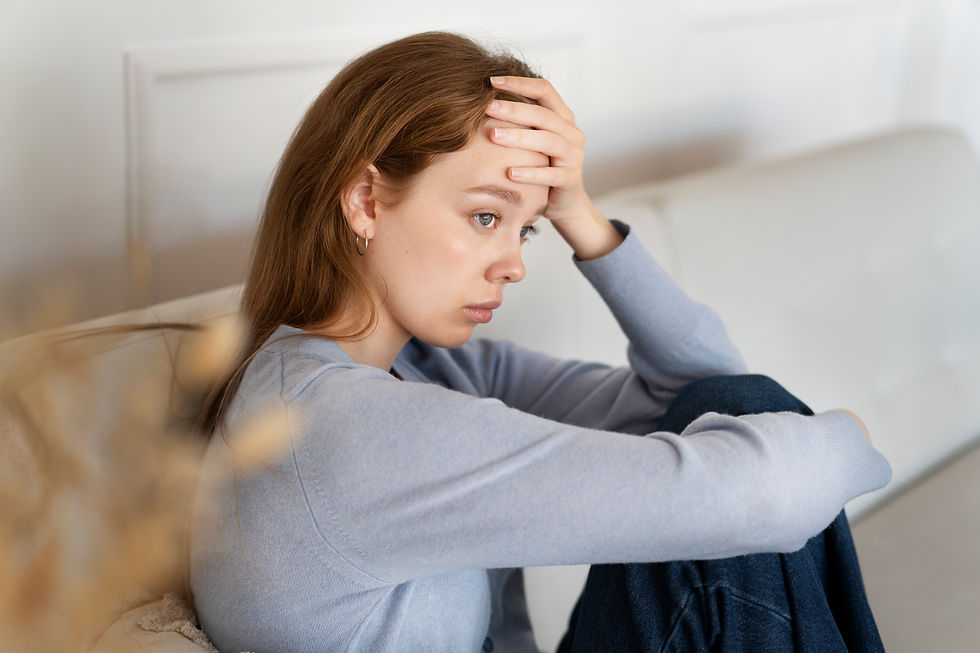
Anxiety is becoming increasingly prevalent, with individuals now seeking innovative and effective ways to cope with their feelings of stress and unease. One such method that has gained traction is art therapy, a powerful approach that uses creative expression to facilitate emotional healing. This article explores how art therapy can serve as a transformative tool for managing anxiety, offering a safe space for expression, connection, and self-discovery.

Understanding Anxiety and Its Impact
Anxiety can manifest in various forms, including generalised anxiety disorder, panic disorder, social anxiety, and more. Common symptoms include excessive worry, restlessness, fatigue, and difficulty concentrating. These experiences can make daily life challenging, decreasing emotional resilience and overall well-being.
Traditional therapeutic approaches often emphasise talk therapy and medication; however, art therapy provides a unique avenue for individuals seeking alternative methods of healing.

What is Art Therapy?
Art therapy combines psychological principles with artistic expression, allowing individuals to communicate their feelings through various mediums such as painting, drawing, sculpture, and collage.
Led by experienced art therapists, this practice is not about creating perfect artwork but rather about the process of creation itself. It offers participants an opportunity to explore their emotions and experiences in a non-verbal way, which can be especially beneficial for those who struggle to articulate their feelings.

The Benefits of Art Therapy for Anxiety
1. Facilitating Expression: For many individuals with anxiety, verbal communication can feel overwhelming. Art therapy provides a canvas—or any artistic medium—on which to project thoughts and emotions that might otherwise remain unexpressed. This creative outlet can help to externalise feelings, making them easier to examine and understand.
2. Encouraging Mindfulness: The act of creating art often requires focus and presence, which can anchor individuals in the moment. Engaging in art therapy can foster mindfulness, as individuals immerse themselves in the textures, colours, and rhythms of the creative process. This distraction can lead to reduced anxiety levels and promote a sense of calm.
3. Building Self-Confidence: Many people with anxiety struggle with self-doubt and low self-esteem. Art therapy encourages exploration and experimentation without the pressure of judgment. As individuals create and share their art, they often discover strengths and capabilities they weren’t aware they possessed, fostering greater self-acceptance and confidence.
4. Creating Connections: Art therapy can be conducted in group settings, allowing participants to connect with others who share similar struggles. This sense of community can combat feelings of isolation common in anxiety sufferers, facilitating bonding over shared experiences while also providing support and encouragement.
5. Visualising Emotions: Creating visual representations of feelings can allow individuals to better understand their emotional landscape. Through the act of drawing or painting, they may identify specific triggers of anxiety, which is a crucial step toward developing coping strategies. Visualising these emotions can also reduce their power, leading to greater emotional regulation.

Getting Started with Art Therapy
If you or someone you know is interested in exploring art therapy as a way to manage anxiety, consider the following steps:
- Seek an Experienced Art Therapist: Look for an art therapist who has experience working with anxiety and can provide the necessary guidance tailored to individual needs.
- Choose Your Medium: Engage with different forms of art to find what resonates most. This could be painting, drawing, photography, or even mixed media. It’s all about what feels comfortable and exciting for you.
- Create Without Judgment: Allow yourself the freedom to create without worrying about the outcome. Remember, art therapy is about the journey, not the destination.
- Reflect on Your Work: After creating, take some time to reflect on your artwork. What emotions arose during the process? How do you feel about what you’ve created? This reflection can be enlightening and provide valuable insights into your anxiety.

Anxiety can be a heavy burden to carry, but art therapy offers a refreshing and effective way to alleviate its weight. By embracing creativity as a form of self-expression and exploration, individuals can find relief and empowerment through their art.
Whether through the gentle strokes of a paintbrush or the rhythmic motion of sculpting, art therapy invites us to confront our anxieties with grace, transforming our struggles into beautiful creations along the way.
If you’re seeking solace from anxiety, consider picking up that brush or pencil—your healing journey may just begin with a stroke of creativity.


Comments